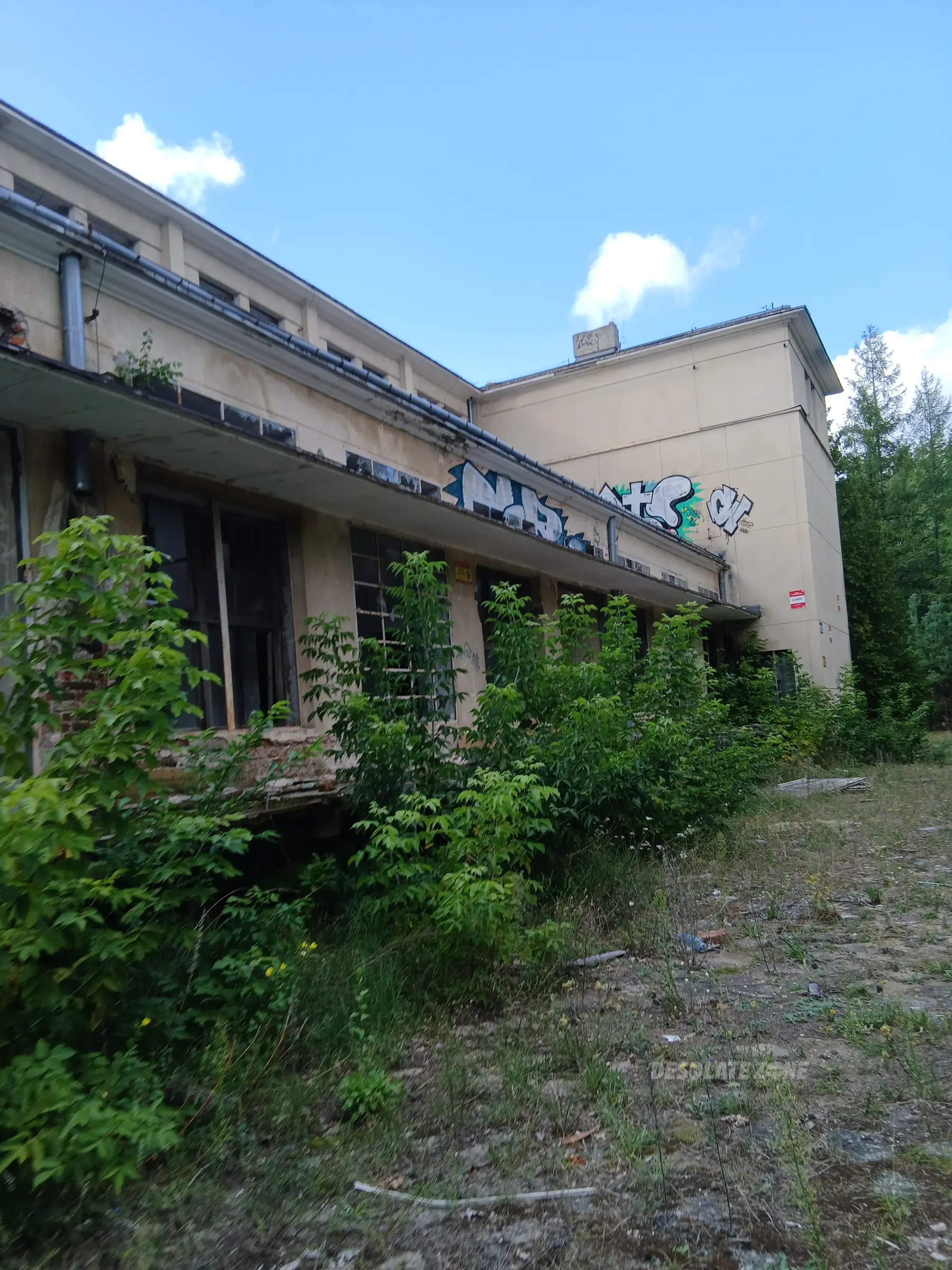
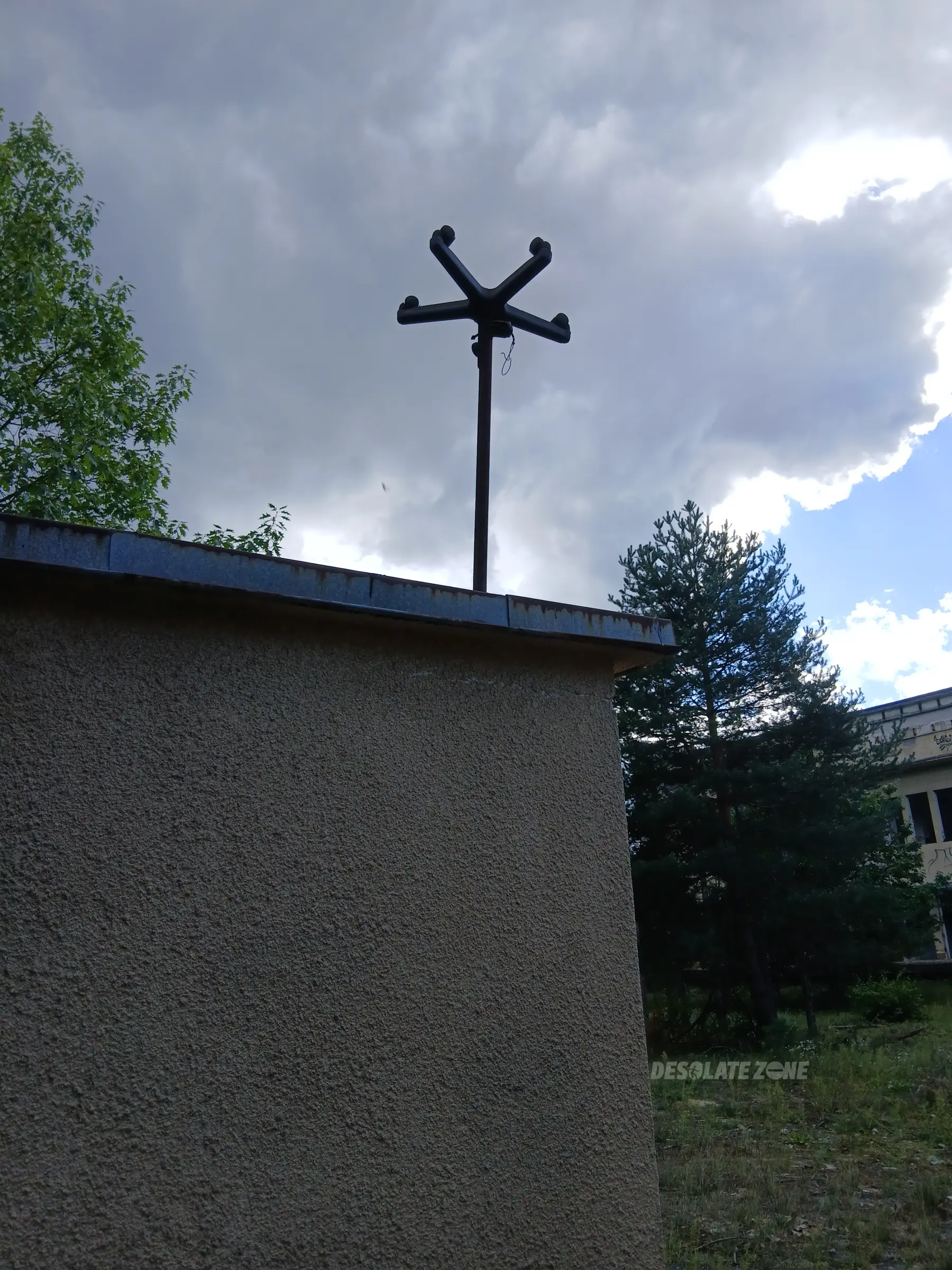
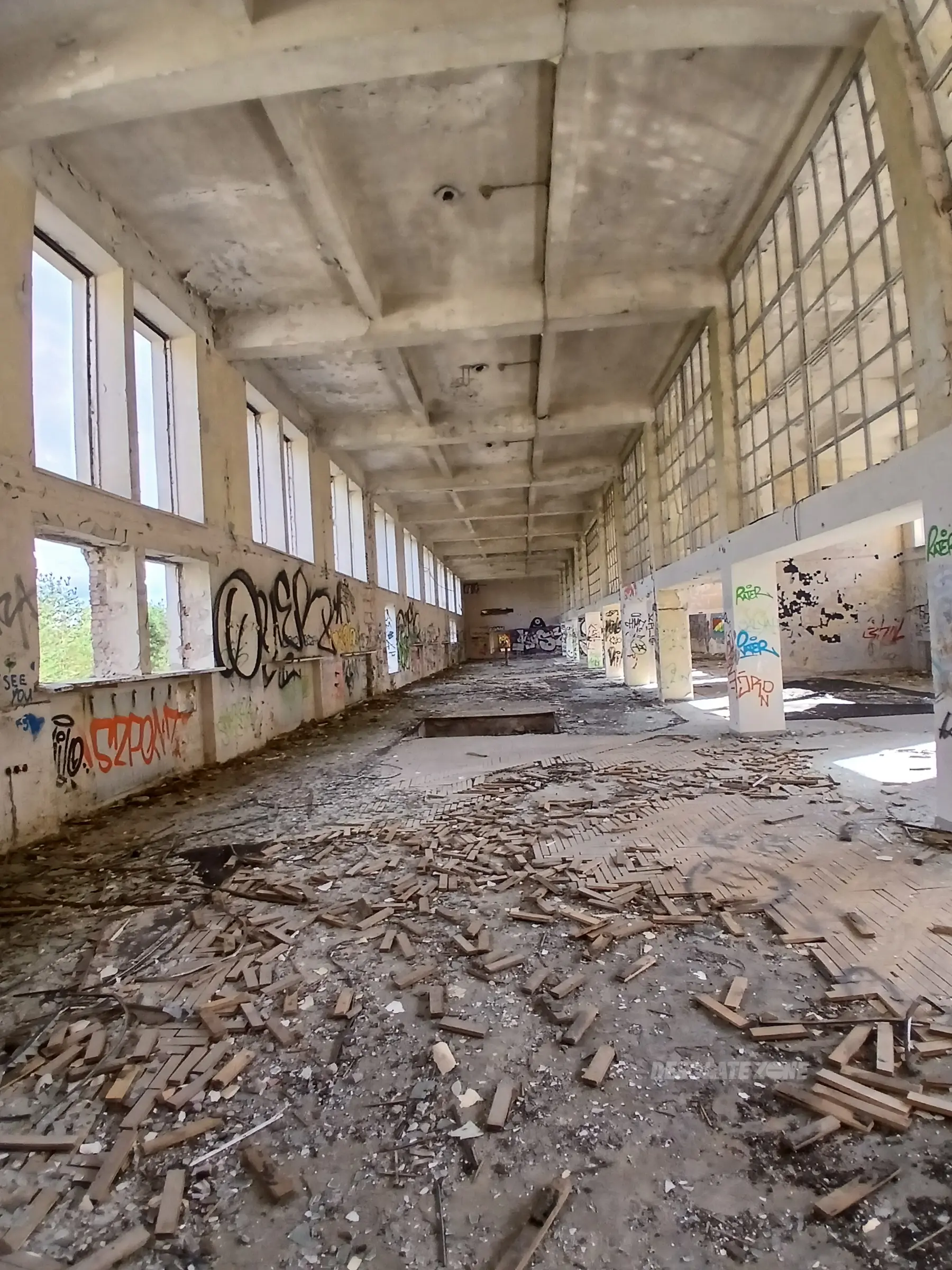
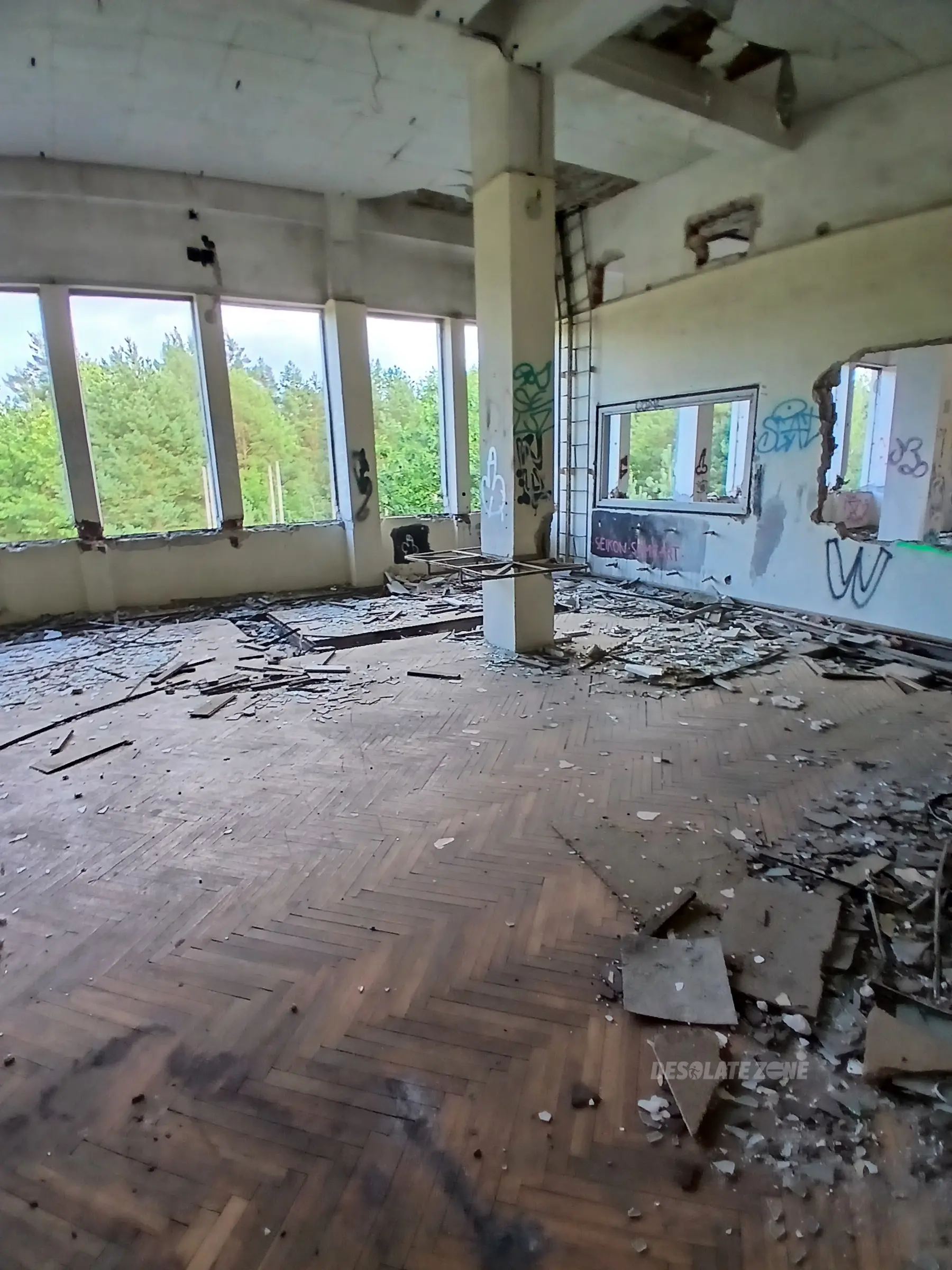
Description
Historia
Radiowy Ośrodek Nadawczy Leszczynka został zbudowany pod koniec lat 40. XX wieku w pobliżu Warszawy jako ważny element infrastruktury radiowej Polskiego Radia. Oficjalne uruchomienie pierwszego nadajnika krótkofalowego nastąpiło w lipcu 1950 roku, kiedy zainstalowano nadajnik firmy Tesla o mocy 100 kW, służący do nadawania programu Polskiego Radia dla odbiorców za granicą.
W latach 60. i 70. ośrodek był intensywnie rozbudowywany i modernizowany. Powstały nowe systemy antenowe oraz kolejne nadajniki, dzięki czemu obiekt posiadał do 8 nadajników o mocy 100 kW i kilkadziesiąt systemów antenowych, które umożliwiały emisję sygnału radiowego nawet na kilka tysięcy kilometrów.
Po zmianach politycznych w Polsce w latach 90. stopniowo ograniczano działalność radiostacji, a część nadajników została wyłączona lub zdemontowana. Do 2006 roku z obiektu nadawano jeszcze programy Polskiego Radia dla zagranicy, a sporadyczne emisje trwały do około 2008 roku.
Ostatecznie około 2010 roku ośrodek został wyłączony z eksploatacji. Powodem było zmniejszenie znaczenia radia krótkofalowego oraz rozwój Internetu i telewizji cyfrowej, które sprawiły, że utrzymanie tak dużej stacji nadawczej stało się nieopłacalne.
Stan obecny
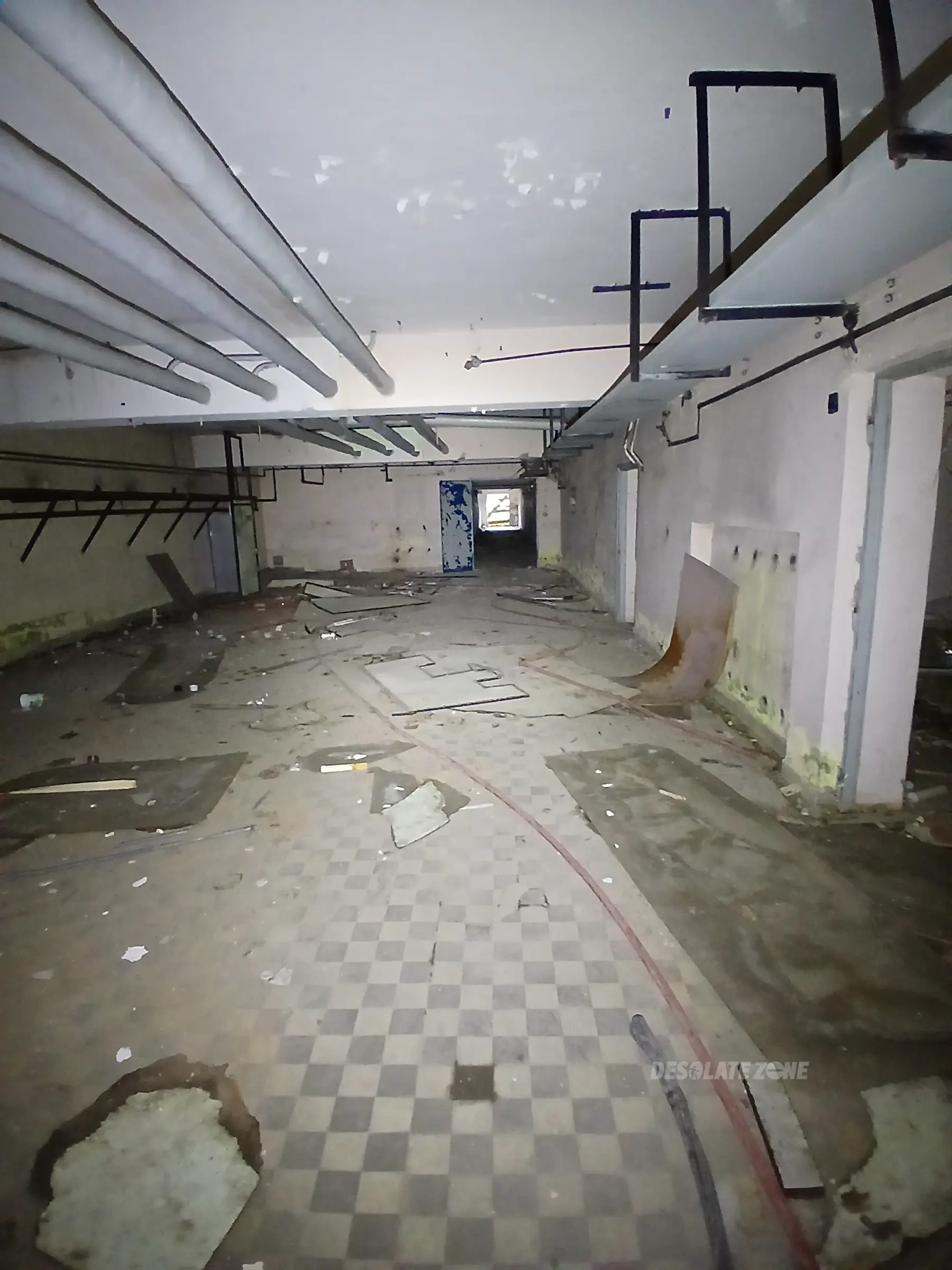
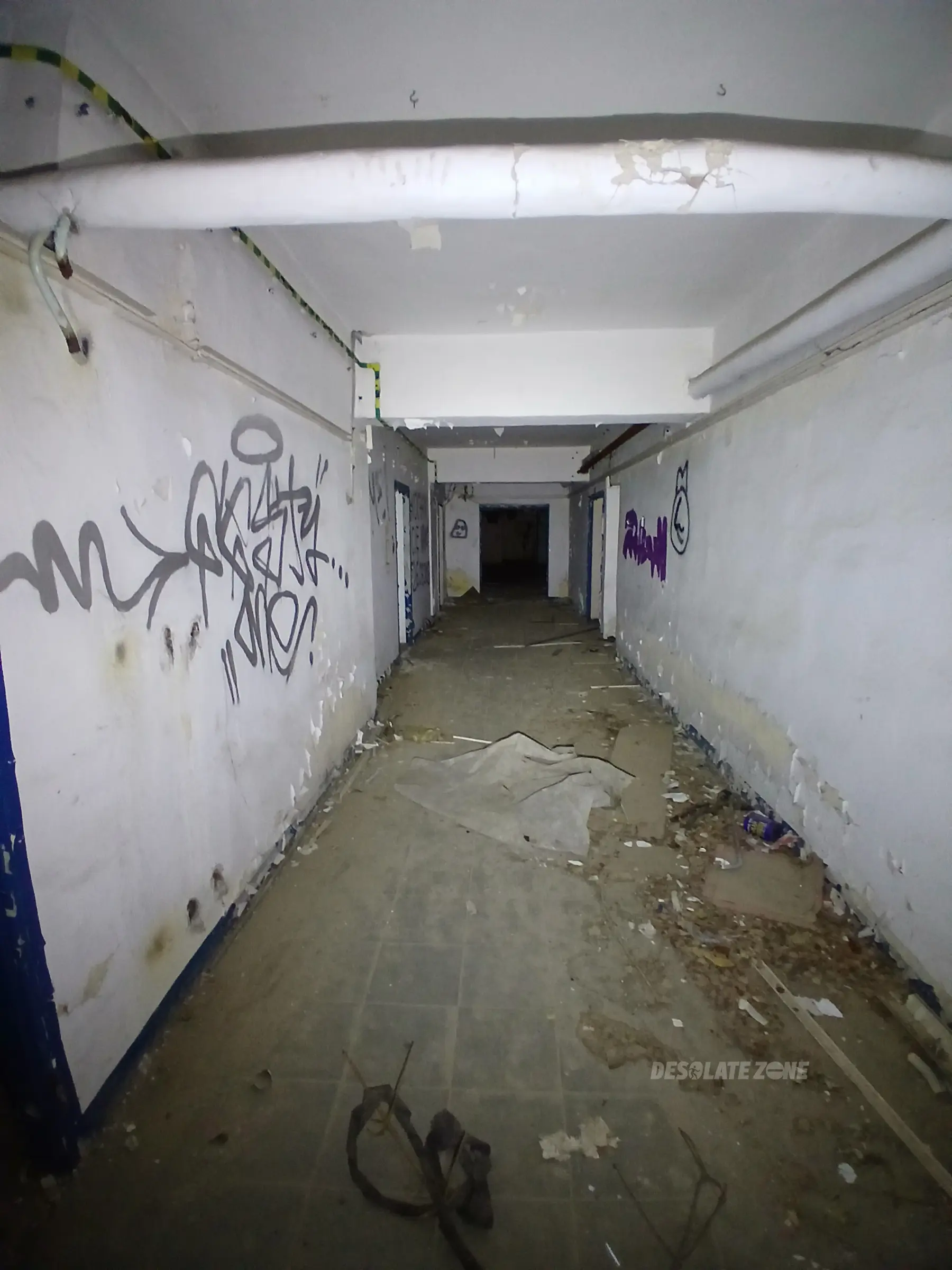
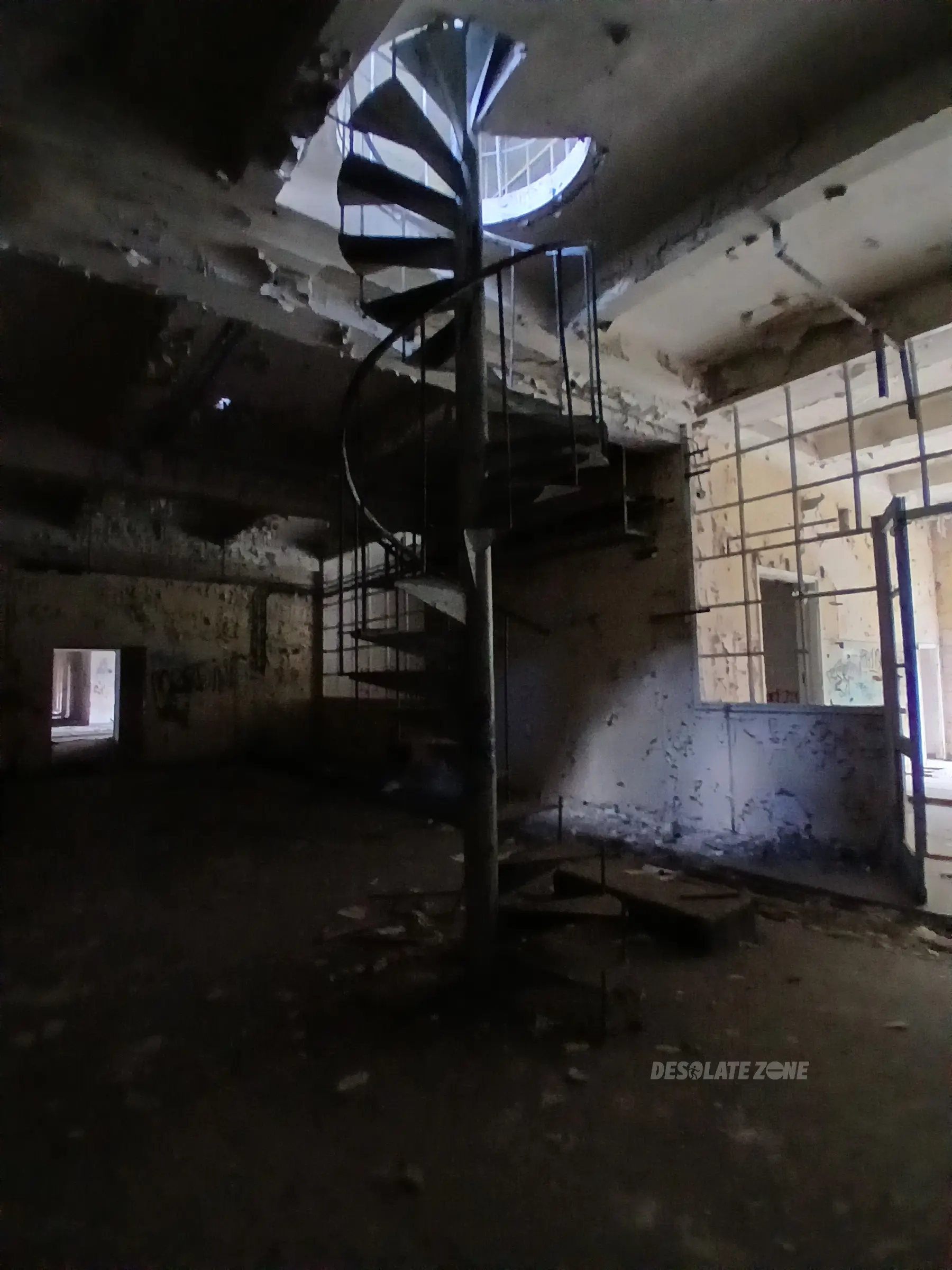
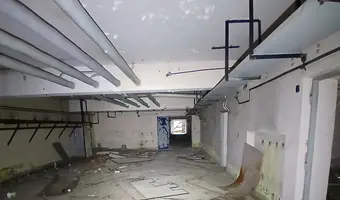
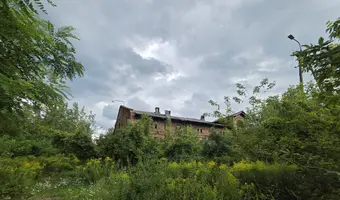
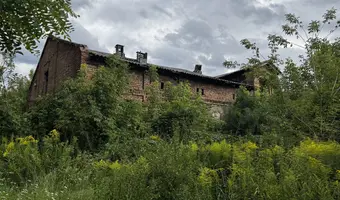
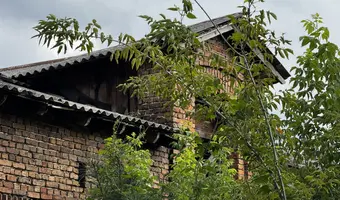
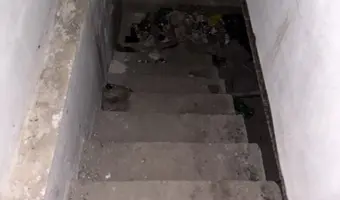
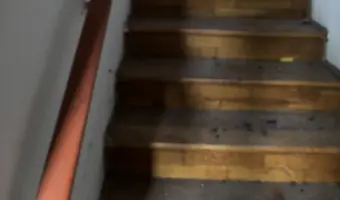
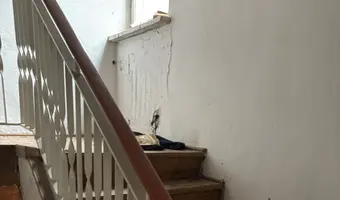
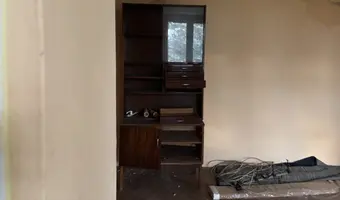
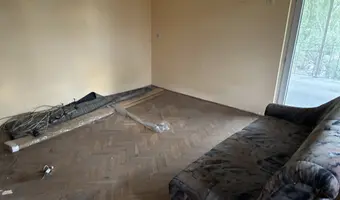
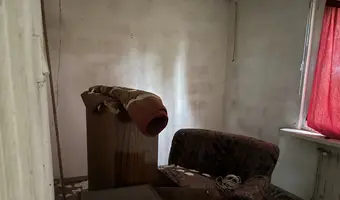
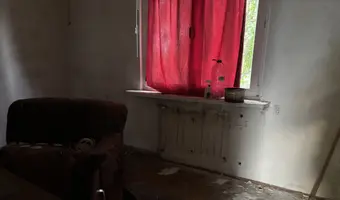
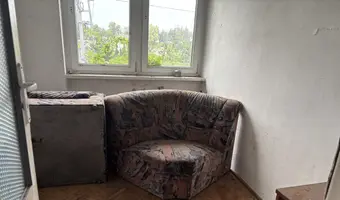
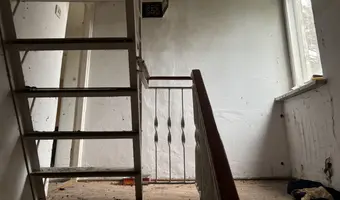
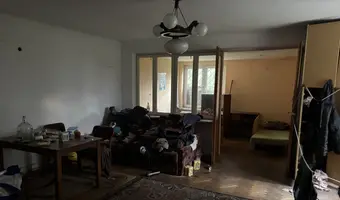
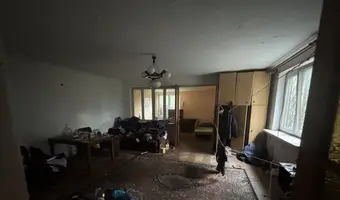
Budynek stoi w środku lasu na odludziu za kilkoma warstwami siatki. Wejść da się, przeskakując ogrodzenie lub wchodząc jedną z licznych dziur w płocie, które są na bieżąco robione przez zwierzęta i ludzi. Oprócz charakterystycznych krętych schodów w budynku nie ma nic ciekawego. Wejście do piwnicy znajduje się po prawej stronie, patrząc od głównego wejścia.
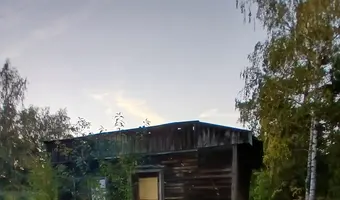
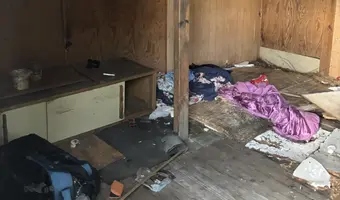
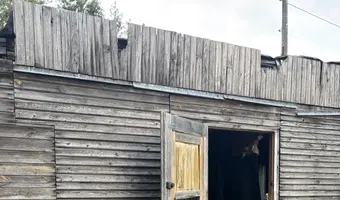
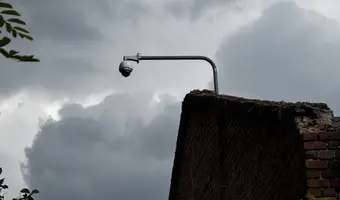
Miejsce zostanie zamienione w Centralny Azyl dla Zwierząt do 2031 roku, ale do momentu remontu budynku wciąż jest to pustostan wraz ze wszystkimi zabudowaniami na terenie. Na terenie są kamery, ale łatwo je obejść.
Hazards
1 report

Places nearby Up to 20 km

 1/4
 1/5
 1/15


 1/5

User galleries
Galleries whose authors tagged this place. The photos may show it from a different angle than the ones uploaded here directly.
- The site is now owned by CADZ and officially closed to visitors, with a central animal shelter planned here.
- The main gate is chained shut and many holes in the fence were reported on the forest side, though the owner says the fence has been sealed since 2025.
- Reports on the roof ladder conflict: some people climbed it, while another says it is sealed with tar and cannot be used.
- Three camera towers were reported at the gate and at the front and back of the building, and an alarm triggers when someone gets close to them.
- No cameras were reported inside the building.
- Reports on motion sensors at the gate and back exit conflict, and older comments said there were no sensors or cameras at all.
- Security patrols at roughly the same time each day, once around 13:00, and one visitor warned that they arrive quickly.
- The owner says security and police will intervene against anyone on site, and signs on the fence state that the site is protected.
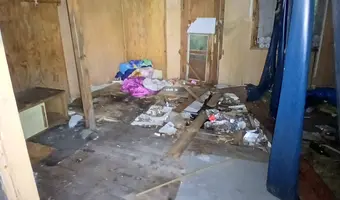
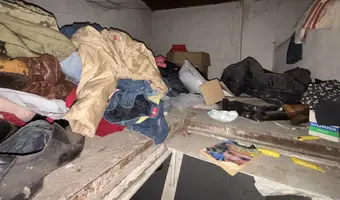
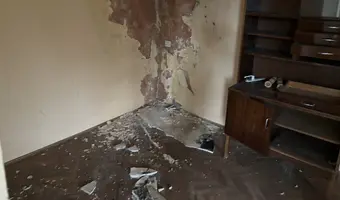
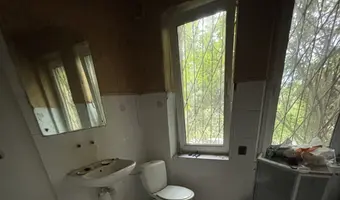
- Equipment, doors and documents have been carried off, windows are smashed, walls are covered in graffiti, and the building keeps deteriorating.
- Broken glass lies everywhere, especially in the upper-floor hall, and cables are scattered on the ground floor.
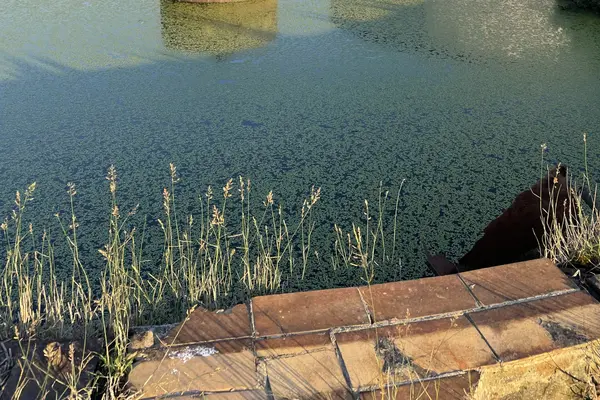
- By April 2026 the guardhouse at the gate and the fire-protection pool by the main building had been demolished.
- Floors are well preserved: parquet on the first floor, tiles on the second and bare concrete on the ground floor.
- Renovation of the main building is to start only once the necessary permits are obtained.
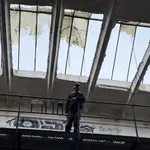
- The spiral metal staircase is the most praised feature of the site.
- The huge halls and monumental rooms are impressive, and the layout of the rooms is interesting.
- The lowest floor and the basement are named as the best parts of the site.
- The view from the roof is nice, though partly blocked by trees.
- The interiors have a lot of graffiti.
- The place is considered good for photography, especially from the top floor.
- The basements are quite dark, so a torch is useful.
- The site is large and takes a fair amount of time to explore.
AI-generated summary based on 47 comments. It can be wrong, so check the original comments below if in doubt.
Comments



Z poważaniem


https://www.youtube.com/watch?v=KG4IS6Ihmp8


Po 3 latach zwiedziliśmy ponownie ten obiekt. Jak poprzednim razem, trochę pobłądziliśmy po zmroku w lesie, co dało fajny klimat. Budynek sam w sobie naturalnie za sprawą czasu, jak i wandalizmu, podupadł od ostatniego razu - większość drzwi czy resztek sprzętu zostało rozkradzionych, a sam budynek jest w coraz gorszym stanie. Warto zwiedzić będąc w okolicy

Jest naprawdę spore . W piwnicach jest dość ciemno ale poza nimi , w dzień oczywiście jest wszędzie jasno .Na miejscu jest dużo pięknych grafitti.


Ocena 8,5/10


Z powodu dużego ruchu miejscowych zabrakło odwagi wejścia na teren nadawczy

Ocena: 4- /6
Obiekt w lesie = juz jest ciekawie.
Bardzo fajne dojscie, piekna sciezka przez las, latwy dostep (nie trzeba sie w ogole brudzic = idealne na pierwsze urbexowanie)
W srodku pustki = nie ma praktycznie nic. Bardzo duzy obiekt (do okola jeszcze kilka garazy i innych malych budynkow), sporo zwiedzania. Dotarlismy o zmierzchu i wyszlismy w nocy takze to na pewno dodalo troche walorow, ale w sloncu tez pewnie ciekawe ze wzgledu na ilosc pomieszczen, ich rozlozenie oraz usytuowania obiektu.
Zaraz po wejsciu na teren (przez brame) po prawiej stronie jest jeszcze budynek do zwiedzenia.
Kordynaty: 52°02’22.6″N 20°53’04.1″E
52.039605, 20.884457